A professional mobile detailer explains how to remove mold and mildew from a car interior — the exact steps we follow in Gresham, OR, the mistakes to avoid, and when to call a pro.
What Mold in a Car Interior Looks Like
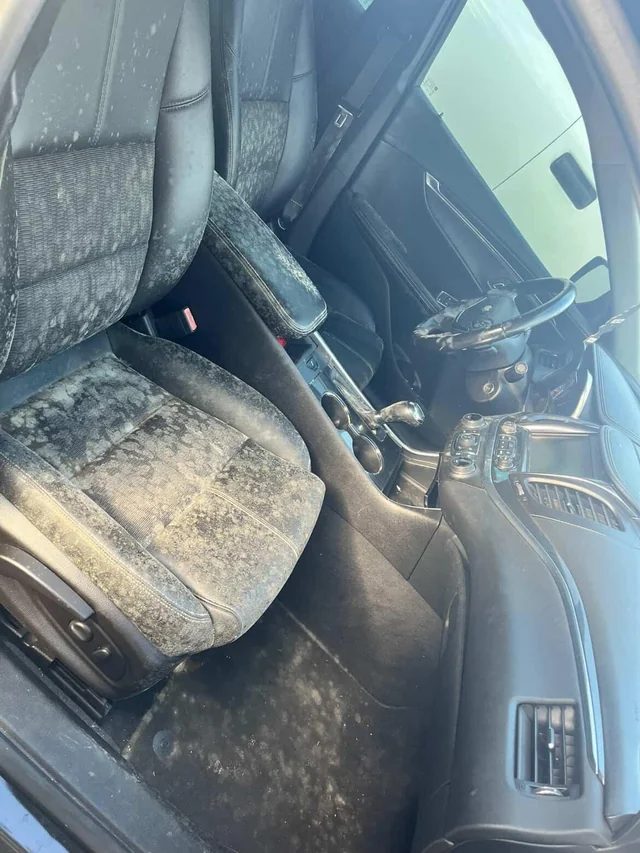
Mold and mildew show up in more places than most people check. The most obvious sign is the smell. A musty, sour, damp odor that hits you when you open the door usually means something is growing inside. You may also see spots or fuzzy patches on the seats, carpet, or door panels.
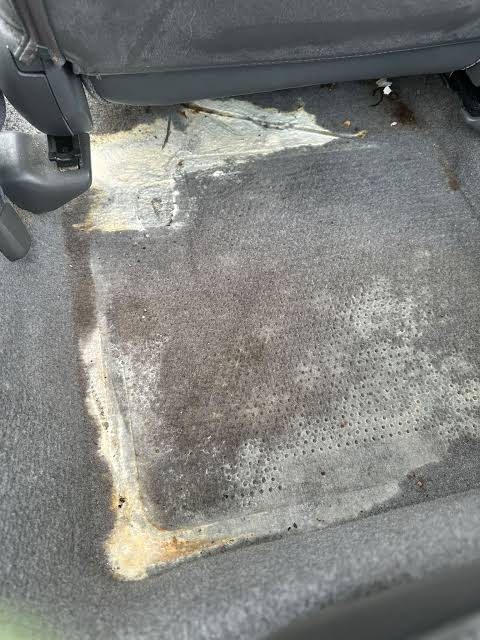
The worst growth is often where you can’t see it. In one job we did, the mold was all over the car and also underneath the seats. The car smelled strongly of mildew before we started, and the cause was moisture sitting in the carpet where nobody was looking. If your car smells damp but the surfaces look clean, check under the seats and along the carpet edges.
Why Mold Grows in Cars
Mold needs moisture, and a closed-up car holds moisture well. Common causes include:
- A leak from a window seal, door seal, sunroof, or heater system
- Wet floor mats or carpet that never fully dried
- Spilled drinks or food that soaked into the seats or carpet
- Damp clothes, towels, or gym bags left inside
- Wet weather and a car that sits parked for long stretches
Gresham’s long rainy season makes this worse, which is one reason we wrote about whether mobile detailers can work in bad weather. Once the carpet and padding stay damp, mold can spread under the seats and into areas that are hard to reach with a quick wipe-down.
How We Remove Mold and Mildew From a Car Interior
Here is the process we follow, in order. The order matters.
Step 1: Vacuum First
We start with a thorough vacuum of the whole interior. This removes loose dirt, debris, and dry mold material before any liquid goes down. If you skip this, you push dirt deeper into the carpet when you add cleaner.
Step 2: Apply Our Chemicals and Let Them Soak In
Next we apply our cleaning chemicals to the carpet and the affected areas, and we let them sink in. The product needs time to get down into the carpet fibers and padding, not just sit on the surface. This is one of the steps people rush at home.
Step 3: Treat the Mold With Enzymes
We also use enzymes to eliminate the mold. Enzyme treatments break down the organic material mold feeds on. Covering the smell with a fragrance isn’t the same as treating the problem, so we go after the source.
Step 4: Agitate With a Drill Brush
Then we scrub the carpet and affected areas with a drill brush. A drill brush works the chemicals into the carpet and loosens what is stuck deep in the fibers. Wiping by hand doesn’t give you the same result.
Step 5: Steam Clean
After agitation, we steam clean the area. Steam helps loosen and lift what the brush stirred up, and it works the carpet more deeply than a surface cleaner alone.
Step 6: Extract Everything
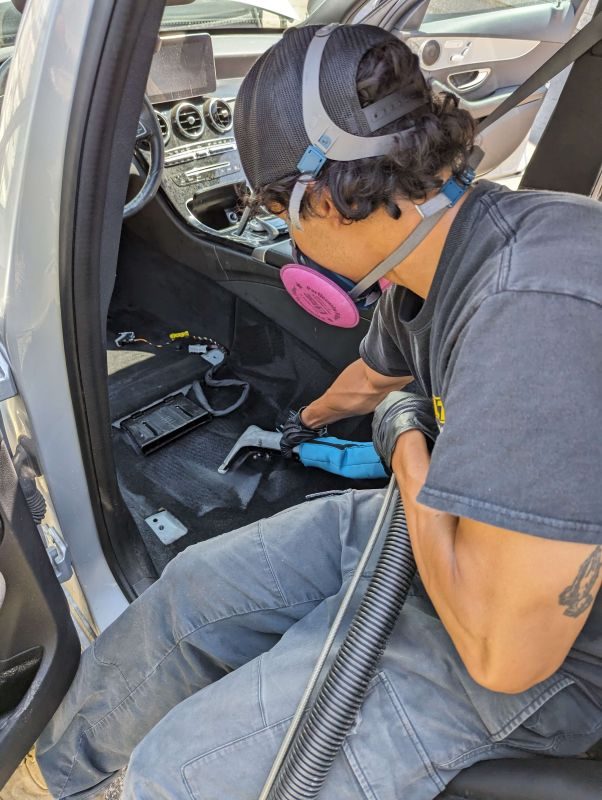
Finally, we extract. Extraction pulls the dirty liquid and moisture back out of the carpet and seats. In my opinion this is the most important step, and it is the one people skip most often.
The Result
When we started the job I mentioned, the car smelled of mildew. After we did the job properly, following every step, it smelled much better. The difference came from treating the mold and removing the moisture, not from covering the odor.
Mistakes People Make When Removing Mold Themselves
The two biggest mistakes I see are the same every time.
- They don’t follow the steps correctly. Skipping the soak time, skipping agitation, or doing things out of order leaves mold behind.
- They don’t extract. Without extraction, the moisture and the dirty liquid stay in the carpet, and the mold can grow back.
Spraying a household cleaner and wiping the surface may make a car look better for a day or two. If the carpet and padding underneath stay wet, the problem is still there.
When to Call a Professional
A small spot on a surface can be a reasonable DIY job if you follow every step and dry the area completely. Call a professional when:
- The mold is widespread, like the car we worked on
- You find it under the seats or deep in the carpet
- You don’t have a way to steam clean and extract
- The smell comes back after you clean
- You can’t find the source of the moisture
A professional car mold removal service has the brushes, steam, and extraction equipment to treat the whole interior and not just what you can see. For a deeper clean beyond the mold itself, see how often you should detail your car, and what a full interior detail includes.
How to Keep Mold From Coming Back
Cleaning the car only solves half the problem. To keep mold away:
- Fix any leak or water source right away
- Dry the carpet and mats completely after anything gets wet
- Don’t leave damp items inside the car
- Open the windows or air out the car on dry days
- Check under the seats from time to time
A regular schedule helps too. We cover this in our guide on how often you should detail your car. And if you’re wondering what to budget after a big interior job, read how much to tip your car detailer.
Need Mold Removed From Your Car in Gresham, OR?
Prime Shine Car Detailing Gresham comes to you, so you don’t have to drive a moldy car anywhere. We handle mold and mildew removal for homes and workplaces in Gresham, Troutdale, and the surrounding area. Visit our homepage for mobile car detailing in Gresham, OR, call (360) 295-2378, or book online.
This article is sample content provided as a starting point and can be edited or replaced by the site owner.
Ready to Book?
Prime Shine Car Detailing Gresham brings professional detailing to your home or office in Gresham and Troutdale, OR.
BOOK ONLINE